
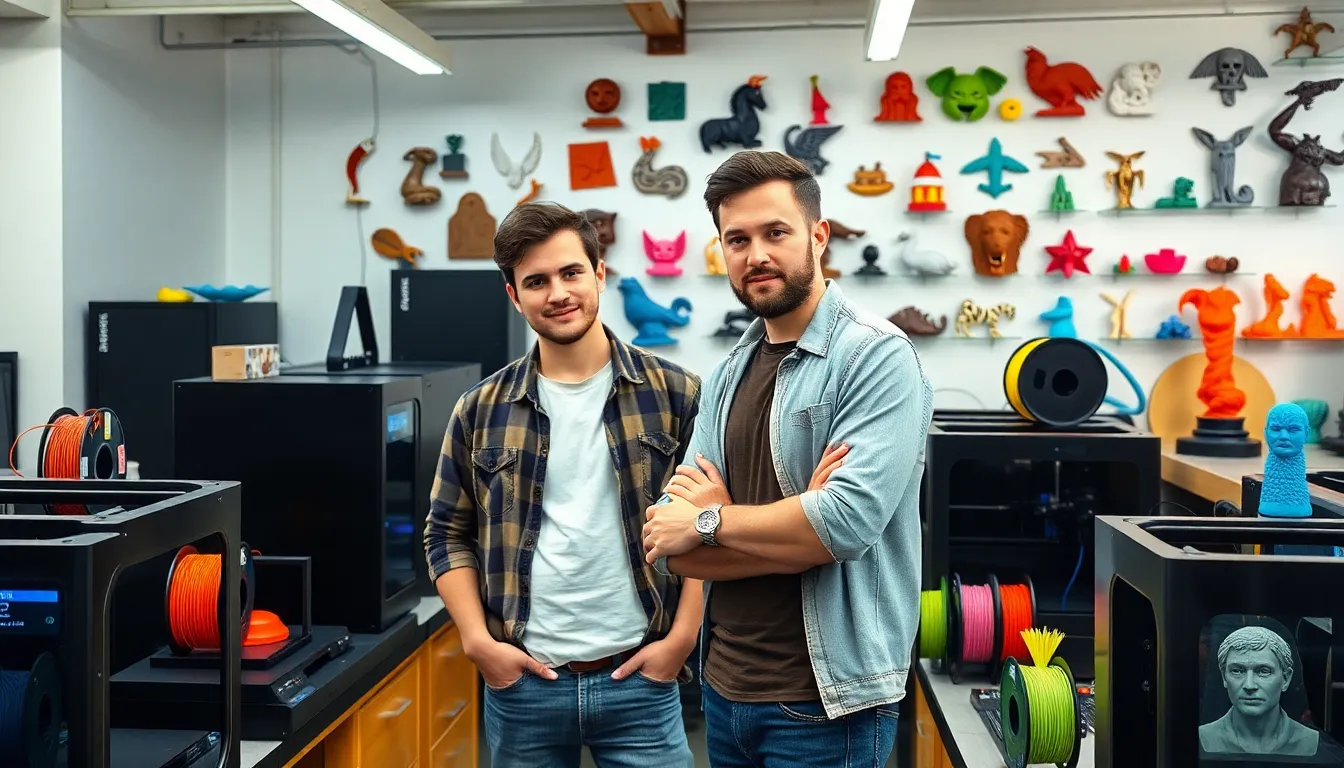
In a world where innovation meets imagination, 3D printing ecosystems are revolutionizing how we create. Picture this: instead of waiting weeks for a product, you can design and print it in your own home. It’s like having a mini factory at your fingertips, minus the hard hats and safety goggles. These ecosystems bring together technology, creativity, and a sprinkle of magic, making it easier than ever to turn ideas into reality.
Overview Of D Printing Ecosystems
3D printing ecosystems play a vital role in modern manufacturing and design. These systems provide access to tools, materials, and expertise necessary for individuals and businesses to create three-dimensional objects efficiently. Individuals utilize software to design models, while printers transform these digital files into tangible products.
Materials used in 3D printing include plastics, metals, and ceramics. Each material caters to specific applications such as prototyping, manufacturing, or even art. Companies often offer diverse materials, allowing users to select options that best suit their projects.
Community engagement thrives within 3D printing ecosystems. Online forums and local maker spaces foster collaboration among users, promoting knowledge sharing and innovation. Workshops and events help individuals learn new techniques and explore emerging technologies, enhancing their skills and understanding.
The economic impact of 3D printing ecosystems is significant. They facilitate localized production, reduce costs, and minimize waste. Businesses can streamline supply chains, resulting in faster delivery times and improved customer satisfaction. Data from recent studies indicate that the 3D printing market expects substantial growth, with a projected value reaching $35.6 billion by 2024.
Research and development flourish within these ecosystems. Universities and companies collaborate on advanced projects, driving technological advancements. Patent registrations in 3D printing technologies have surged, reflecting a growing interest in new applications.
Adoption of 3D printing continues to expand across various industries, including aerospace, healthcare, and fashion. Each sector leverages the technology to push boundaries and create innovative solutions. A multi-faceted approach ensures that 3D printing ecosystems remain at the forefront of manufacturing evolution.
Key Components Of D Printing Ecosystems
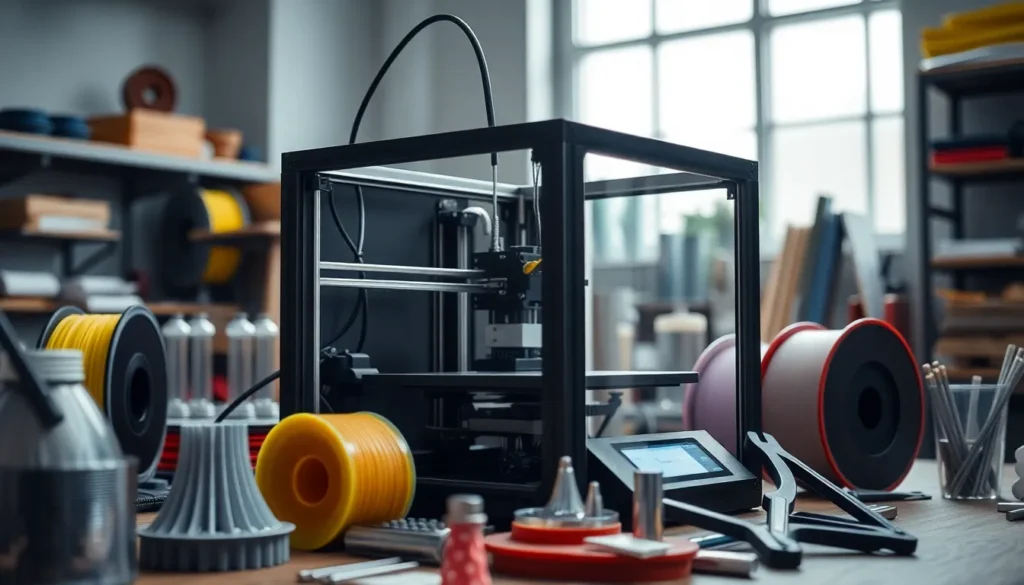
3D printing ecosystems comprise several critical components that enable effective design, production, and collaboration. These components include hardware, software, and materials, each playing a unique role in the overall process.
Hardware
3D printers serve as the backbone of any 3D printing ecosystem. These machines vary from entry-level models suitable for beginners to professional-grade options designed for complex tasks. The choice of printer often depends on project requirements, such as precision and material type. Alongside printers, specialized tools and equipment enhance the manufacturing process. Extruders, print beds, and enclosures also contribute to achieving optimal results. Effective maintenance of hardware ensures durability and consistent performance over time.
Software
Design software allows users to create 3D models with precision. Programs range from beginner-friendly applications to advanced CAD software, accommodating various skill levels. Once a model is designed, slicing software translates it into instructions for the printer. This conversion is critical for ensuring accuracy during printing. Additionally, collaboration platforms facilitate sharing of designs among users, allowing for community-driven innovation. Regular updates and improvements to software enhance functionality, ensuring users can take full advantage of new features.
Materials
Diverse materials offer a wide range of possibilities for 3D printing projects. Plastics such as PLA and ABS are popular for their ease of use and versatility. Metals like titanium and stainless steel cater to industrial applications requiring durability. Ceramics provide unique aesthetic and functional properties suitable for artistic designs. Each material has specific characteristics that influence printing parameters and final product applications. The continuous development of innovative materials ensures an expanding range of options for creators, enhancing the overall capability of 3D printing ecosystems.
Applications Of D Printing Ecosystems
3D printing ecosystems play a vital role in various industries. Their adaptability allows for innovation in different fields.
Aerospace
Aerospace companies increasingly utilize 3D printing for producing lightweight components. By printing parts directly, manufacturers reduce material waste and production costs significantly. Designers rely on advanced materials such as titanium and carbon fiber to enhance performance. Customization becomes easier, allowing for rapid prototyping of complex geometries. The ability to iterate designs quickly accelerates innovation cycles in the aerospace sector.
Healthcare
Healthcare applications of 3D printing ecosystems are transforming patient treatment. Custom implants and prosthetics tailored to individual needs improve patient outcomes. Surgeons use 3D printed models for preoperative planning, enhancing accuracy during procedures. Bioprinting techniques enable the creation of tissue and organs, paving the way for breakthroughs in regenerative medicine. With ongoing research, personalized medicine continues to evolve, offering new solutions for complex health challenges.
Consumer Products
Consumer products benefit from the accessibility of 3D printing ecosystems by enabling rapid design iterations. Small businesses and entrepreneurs embrace this technology to create unique items, from jewelry to home decor. Customization options allow customers to personalize products, enhancing their overall experience. With lower production costs, companies can experiment with innovative designs without significant financial risk. As trends change, the flexibility of 3D printing helps brands keep pace with consumer demands.
Challenges In D Printing Ecosystems
D printing ecosystems face several critical challenges that impact their growth and efficiency.
Technical Limitations
Technical limitations often hinder the potential of 3D printing ecosystems. Equipment capabilities vary widely, affecting production quality and speed. Printers may struggle with complex geometries, leading to failed prints and wasted materials. Additionally, the range of compatible materials is limited for many machines. Customization often requires advanced knowledge and expertise, which can be a barrier for new users. Maintenance issues also arise, increasing operational costs and downtime. Software challenges affect design accuracy and printing instructions. As these limitations persist, innovations in technology remain essential to enhance the overall efficiency of D printing ecosystems.
Regulatory Issues
Regulatory issues complicate the advancement of 3D printing ecosystems. Various governments impose regulations relating to safety and quality standards. Compliance with intellectual property rights remains a significant concern for creators. The lack of standardized regulations across countries leads to confusion and inconsistencies. Additionally, safety protocols for new materials and techniques may not be well established. Manufacturers express frustration over navigating these regulatory landscapes. As regulations evolve, they aim to ensure safety without stifling innovation in D printing. Understanding these complexities is crucial for businesses looking to thrive in the 3D printing sector.
Future Trends In D Printing Ecosystems
Emerging technologies will significantly influence the evolution of 3D printing ecosystems. Integration of artificial intelligence will enhance design processes, enabling users to create better models with minimal effort. Adoption of advanced materials, such as composites and biomaterials, opens up new possibilities for various applications.
Sustainability continues to be a focal point in these ecosystems. Innovations in recycling methods will allow users to repurpose waste materials into new products. Efforts to reduce energy consumption during the printing process can lead to more eco-friendly operations.
Collaboration among industry players is critical for advancing 3D printing capabilities. Partnerships between startups, established companies, and research institutions will drive innovation. Knowledge sharing within the community will further strengthen the ecosystem, leading to enhanced skills and new solutions.
Customization will also play a vital role in the future. On-demand manufacturing will allow businesses to create tailored products that meet specific consumer needs. Market demand for personalized items, particularly in consumer products and healthcare, will increase significantly.
Integration of IoT devices into 3D printing ecosystems facilitates better monitoring and optimization of production processes. Smart manufacturing will enable users to receive real-time feedback and appropriate adjustments throughout the printing phase. With sensors and connectivity, printers can operate more efficiently and reduce downtime.
Regulatory considerations will continue to evolve as the industry matures. Governments must establish standards that promote safety and quality while fostering innovation. Addressing intellectual property concerns will support the growth of creative solutions within the ecosystem.
The 3D printing market, projected to reach $35.6 billion by 2024, underscores the importance of these trends. As technologies and practices continue to advance, their collective impact will reshape manufacturing and design practices across various sectors.
The evolution of 3D printing ecosystems marks a significant shift in how products are designed and manufactured. By empowering individuals and businesses to create customized solutions, these ecosystems are reshaping industries and fostering innovation. As technology continues to advance, the integration of AI and new materials will further enhance capabilities and efficiency.
Collaboration within communities remains essential, driving knowledge sharing and skill development. While challenges exist, the potential for growth and transformation in manufacturing practices is immense. Embracing these changes will not only streamline production but also promote sustainability and creativity in the marketplace. As 3D printing continues to expand, its impact on various sectors will undoubtedly be profound and lasting.